




Dental Implants – Get Your Teeth Immediately, Without Disrupting Your Life
One of the biggest concerns for patients considering dental implants is not necessarily the implant placement itself, but: “After getting...
 Published: 25/06/2026
Dental Knowledge
Published: 25/06/2026
Dental Knowledge
 |
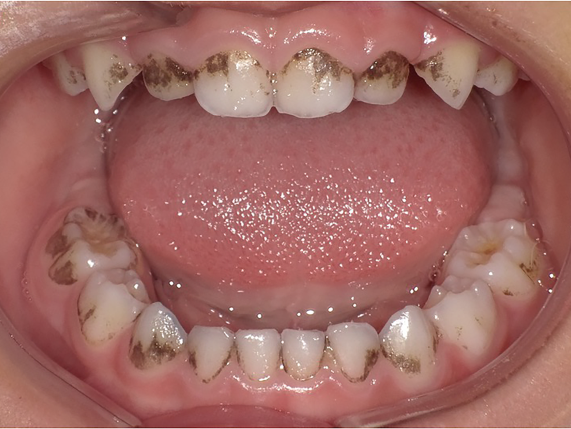 |
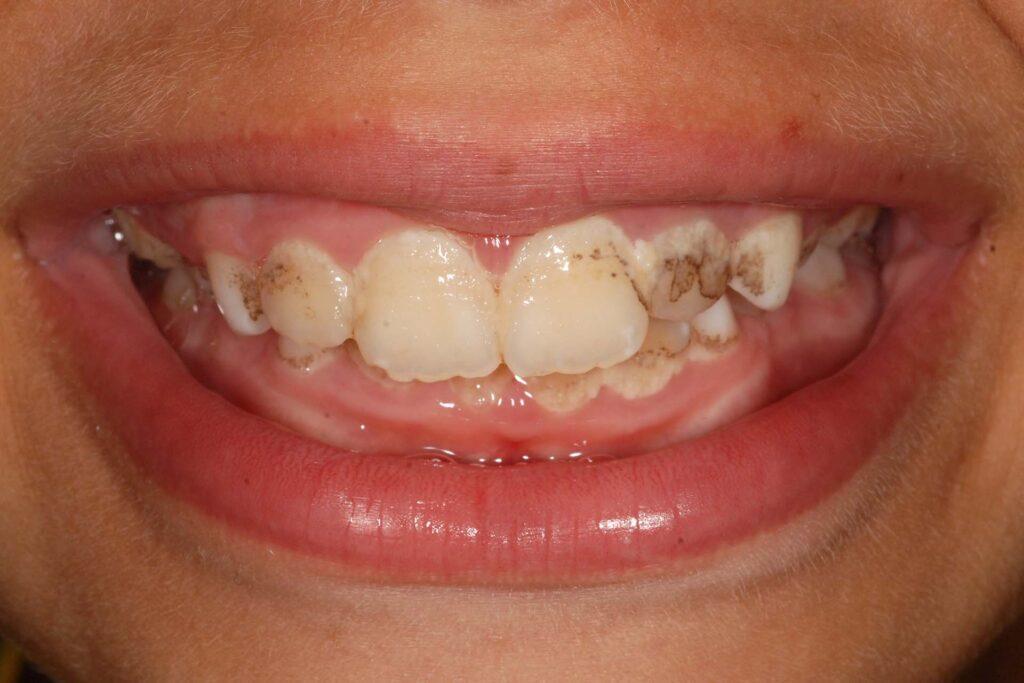
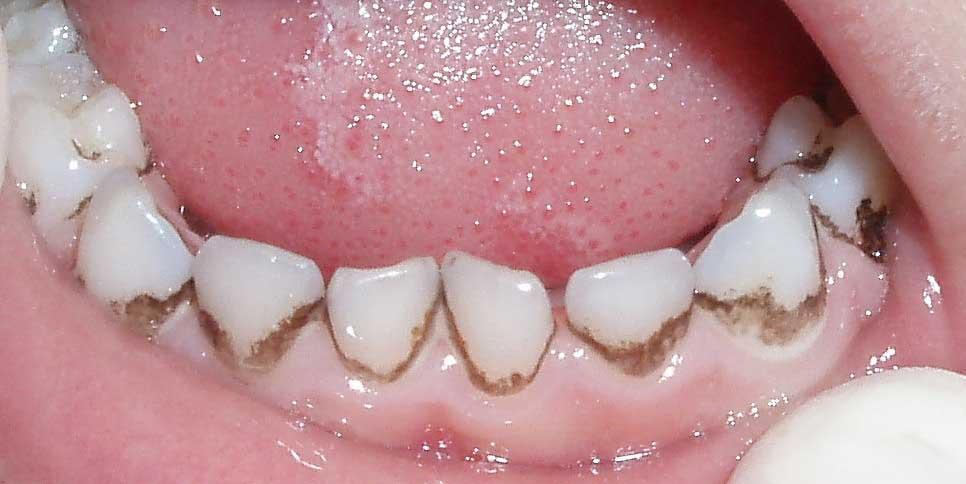
Exogenous chromogenic stains on teeth are a common condition in pediatric and adolescent dentistry, often causing concern among parents due to the dark discoloration on the teeth. These stains typically appear as dark brown or black lines along the cervical third of the tooth, particularly on the lingual and buccal surfaces.
Despite their noticeable appearance, this is a benign condition that does not cause destruction of tooth structure and is not directly associated with tooth decay.
Chromogenic stains develop as a result of the activity of pigment-producing bacteria, particularly species capable of generating iron-rich compounds that adhere to the dental biofilm.
As these bacteria metabolize nutrients in the oral cavity, they produce dark pigments that deposit on the enamel surface. This condition is more prevalent in children due to differences in oral microbiota composition, salivary characteristics, and dietary habits.
 |
 |
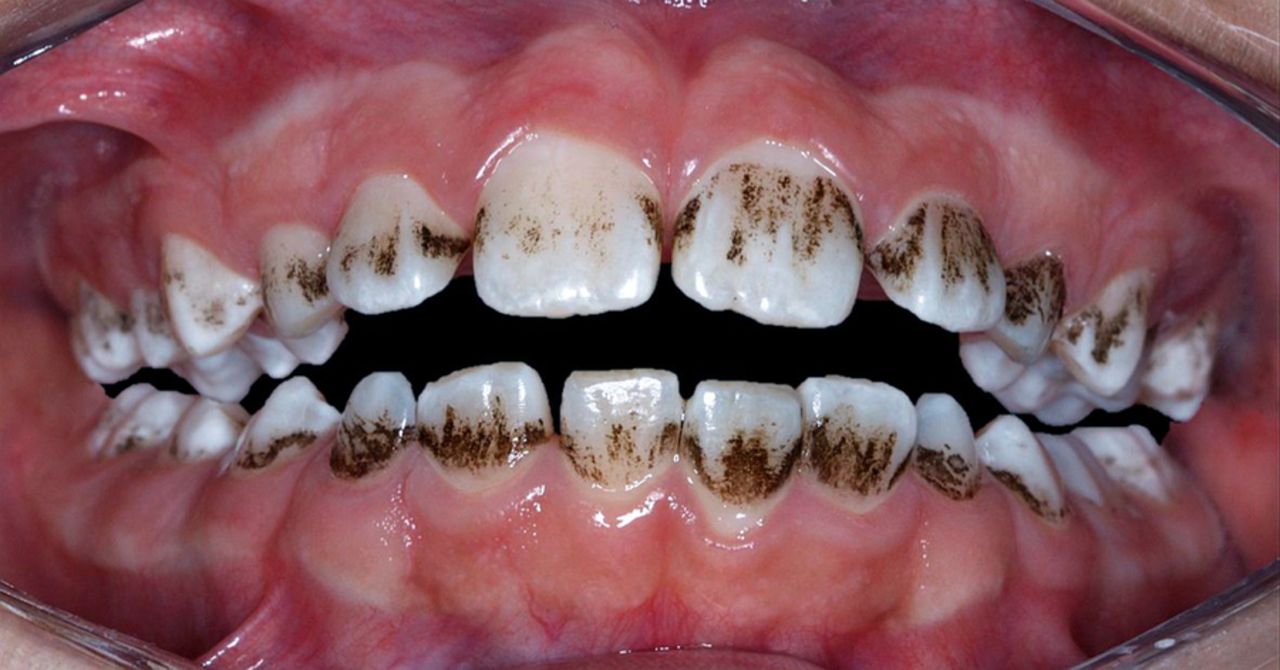
Patients with chromogenic stains typically present with the following features:
Dark brown to black streaks running along the gingival margin, stains that adhere firmly to the enamel and cannot be removed by regular brushing, no enamel defects or carious lesions, and in many cases patients maintain good oral hygiene — which often surprises parents. These stains are not a sign of poor oral hygiene nor a dangerous pathology. However, they can have a significant aesthetic impact, which is why families frequently seek dental treatment.
The clinical presentation is usually sufficient to diagnose chromogenic staining.
However, it is important to differentiate from:
A thorough clinical examination helps confirm the diagnosis and establish an appropriate treatment plan.
Treatment is relatively straightforward and yields highly effective results.
Commonly applied measures include:
In selected cases, guidance on the use of adjunctive antimicrobial measures may help reduce recurrence, though appropriate professional recommendation is required.
Although complete prevention is not possible, the risk of recurrence can be reduced by:
Chromogenic staining is a benign condition but can have a considerable aesthetic impact.
A clear understanding of its etiology and management enables clinicians to reassure patients’ families while delivering effective treatment through minimally invasive approaches. The marked improvement seen after professional cleaning also highlights the value of regular dental care in children.
References
Odontología Virtual (2025), “Chromogenic stains in dentistry: etiology, clinical features, and management”, accessed 24/06/2026.
Sa Dec Branch: 483 Hung Vuong, Cai Son Quarter, Sa Dec Ward, Dong Thap Province.
Hotline: 02773 95 6868
Cao Lanh Branch: 783 Pham Huu Lau, Cao Lanh Ward, Dong Thap Province (Dong Thap University Campus)
Hotline: 02773 95 6869
P.T.T
One of the biggest concerns for patients considering dental implants is not necessarily the implant placement itself, but: “After getting...
Dental Floss – A Small Tool with a Big Role in Oral Care Dental floss is one of the oral...

Parents should not overlook common oral health problems in children such as tooth decay, gingivitis, pulpitis, and tongue-tie. Early detection...
Have you ever admired the bright, perfectly aligned smiles on magazine covers or movie screens and wished you could have...