





Nem Lai Vung – Câu chuyện về món quà nhỏ làm nên tên tuổi một vùng đất
Trong hành trình khám phá Đồng Tháp, có những món ăn không chỉ được nhớ bởi hương vị mà còn...
 Published: 26/06/2026
 |
 |
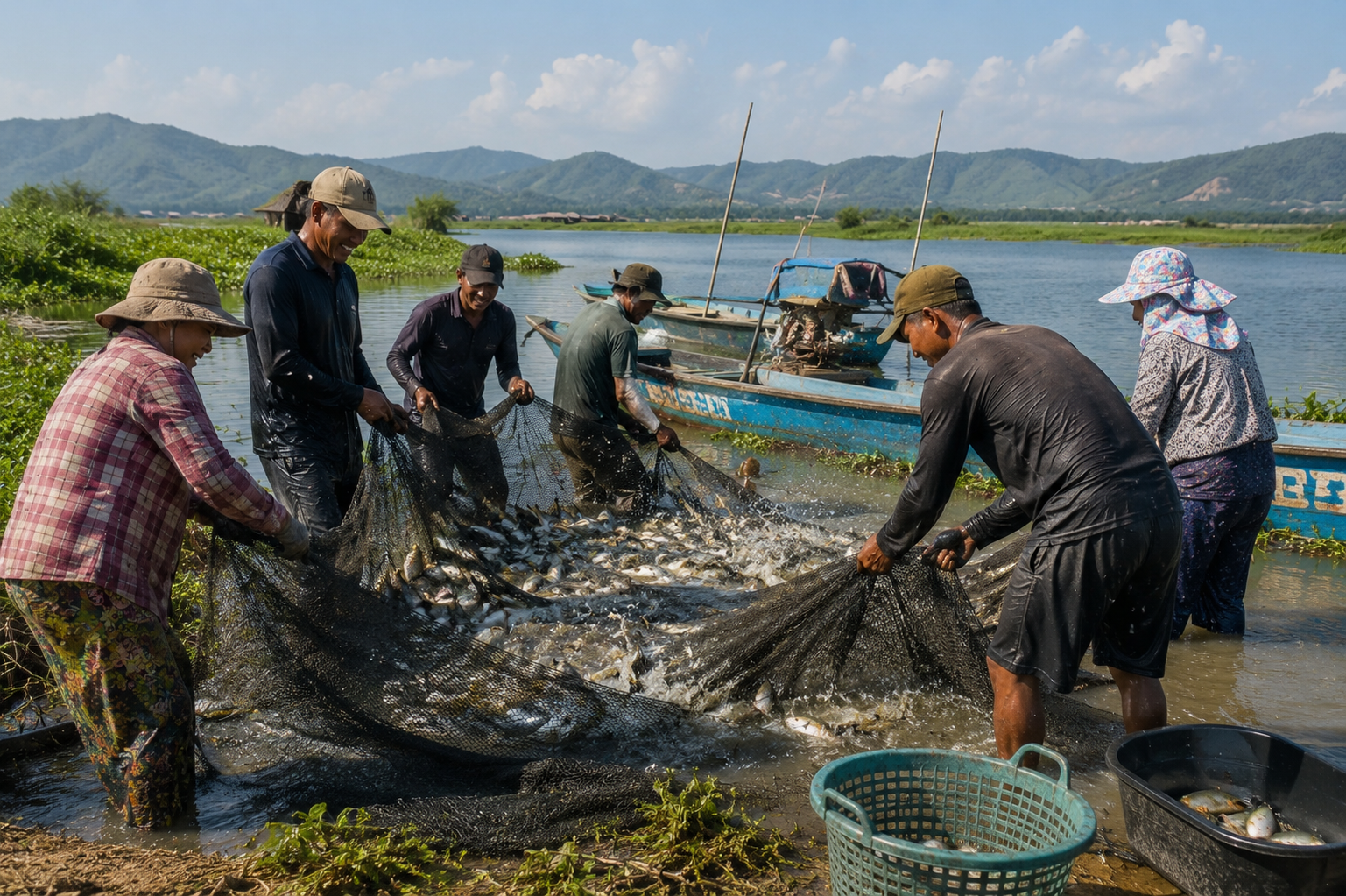
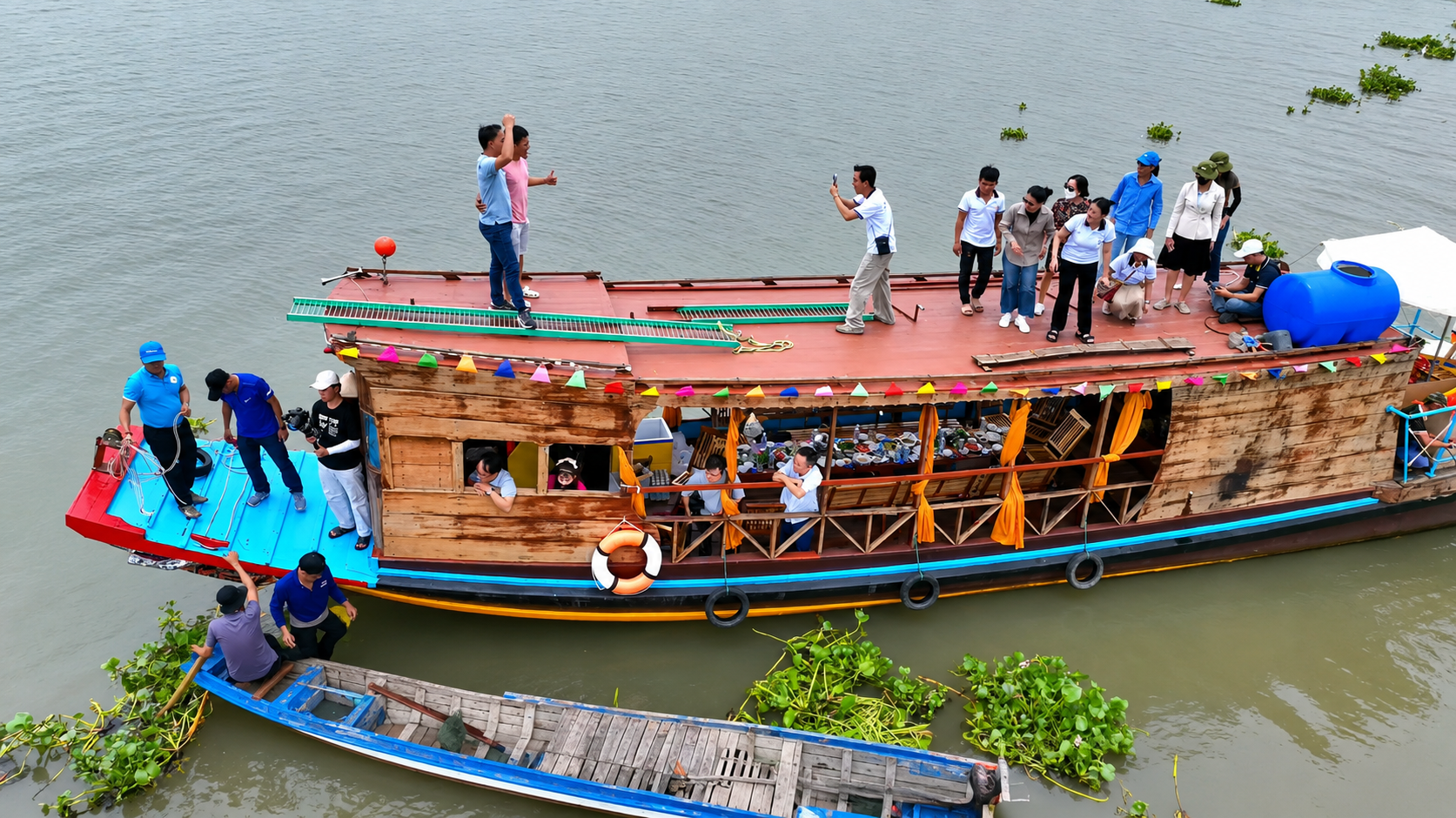
The traditional fish shelter harvesting profession is a unique fishing method practiced by the people of Dong Thap in particular and the Mekong Delta in general. This technique relies on the natural behavior of fish, making it an environmentally friendly and sustainable way of harvesting aquatic resources.
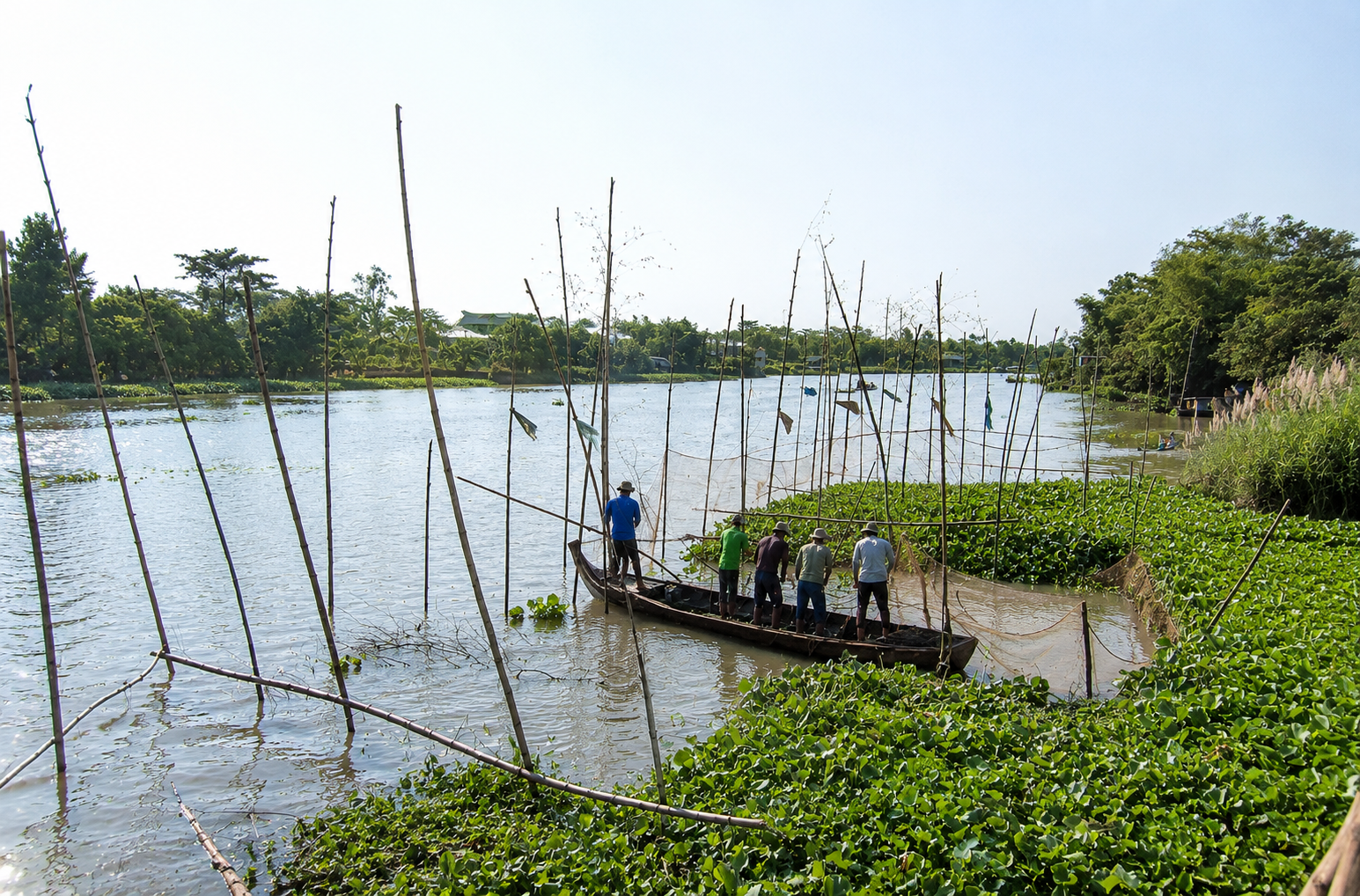
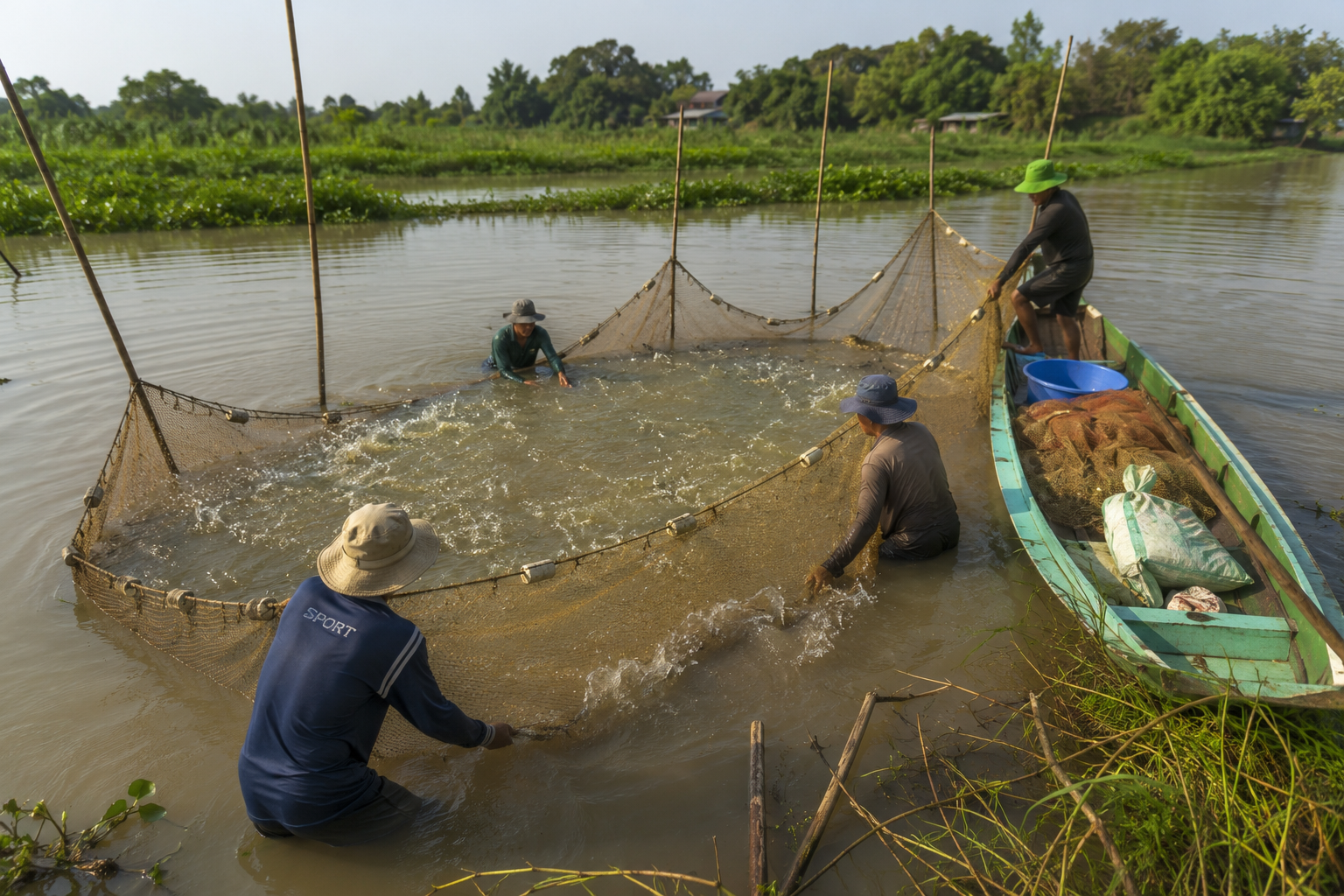
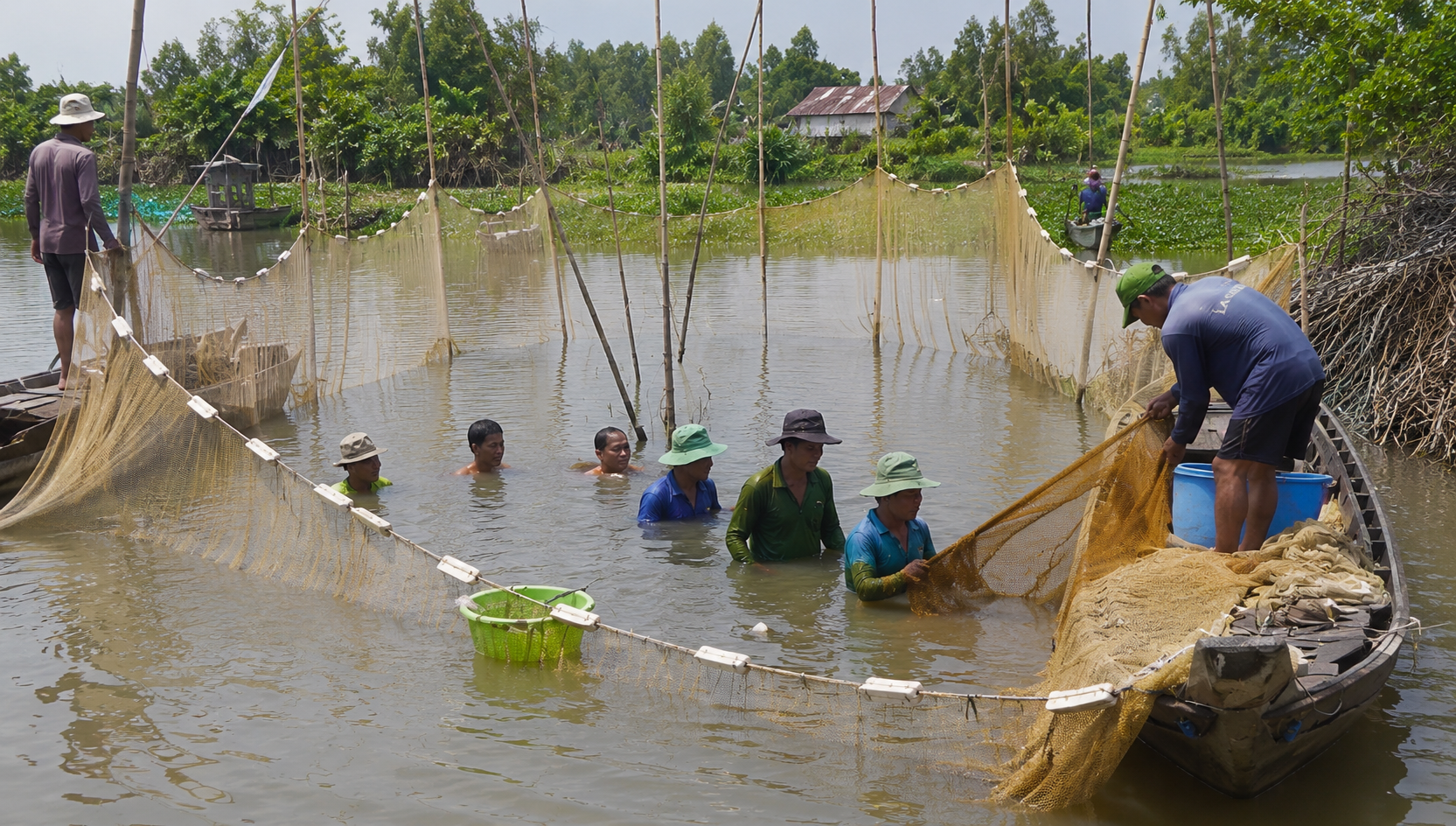
A “fish shelter” consists of bundles of branches, bamboo, leaves, or other vegetation tied together and submerged in the water to create a natural habitat for fish. After some time, fish gather and live around these shelters. When the timing is right, local fishermen “harvest the fish shelter” by surrounding it with nets or lifting the shelter to collect the fish.
More than just a livelihood, this traditional fishing practice represents a distinctive cultural heritage, reflecting the close relationship between the people of the Mekong Delta and their riverine environment.
 |
 |
This traditional occupation has existed for generations, closely connected with the unique natural conditions of Dong Thap, where an extensive network of rivers and canals combines with the annual flood season.
Rather than using destructive fishing methods, local people choose to “naturally raise fish in shelters,” preserving fish populations while protecting the ecosystem. As a result, fish shelter harvesting is considered one of the most sustainable forms of traditional inland fishing.
What makes this profession unique is the patience and experience it requires. Fishermen must know how to choose the ideal location, as well as the right time to place and harvest the shelters for the best results.
To achieve a plentiful catch, local fishermen go through several important steps:
The shelters are typically made from various tree branches, bamboo, mangrove branches, cajuput branches, and other local vegetation, which are tied together into large bundles. These bundles are securely fastened to prevent them from drifting away with the current.
The shelters are submerged in ponds, flooded rice fields, or canals. They are usually placed in calm waters with minimal current, allowing fish to settle comfortably.
After the shelters are placed, fishermen wait from several weeks to several months for fish to gather and establish their habitat. This stage plays a crucial role in determining the harvest yield.
When the time is right, fishermen surround the shelter with nets before gradually lifting it to catch the fish. The atmosphere is lively and festive, resembling a small community celebration in the Mekong Delta.
Common species harvested include snakehead fish, climbing perch, catfish, gourami, and many other freshwater fish renowned for their excellent flavor.
The annual flood season (typically from the 8th to the 11th month of the lunar calendar) is considered the “golden season” for fish shelter harvesting. As floodwaters flow downstream carrying abundant fish and aquatic life, the fish shelters become highly effective.
Beyond being the peak fishing season, it is also the most picturesque time of the year in the Mekong Delta. Vast flooded rice fields, busy boats navigating the waterways, and breathtaking natural scenery create a truly unforgettable landscape.
For this reason, fish shelter harvesting is valued not only for its economic benefits but also as an important part of the cultural identity associated with Dong Thap’s flood season.
 |
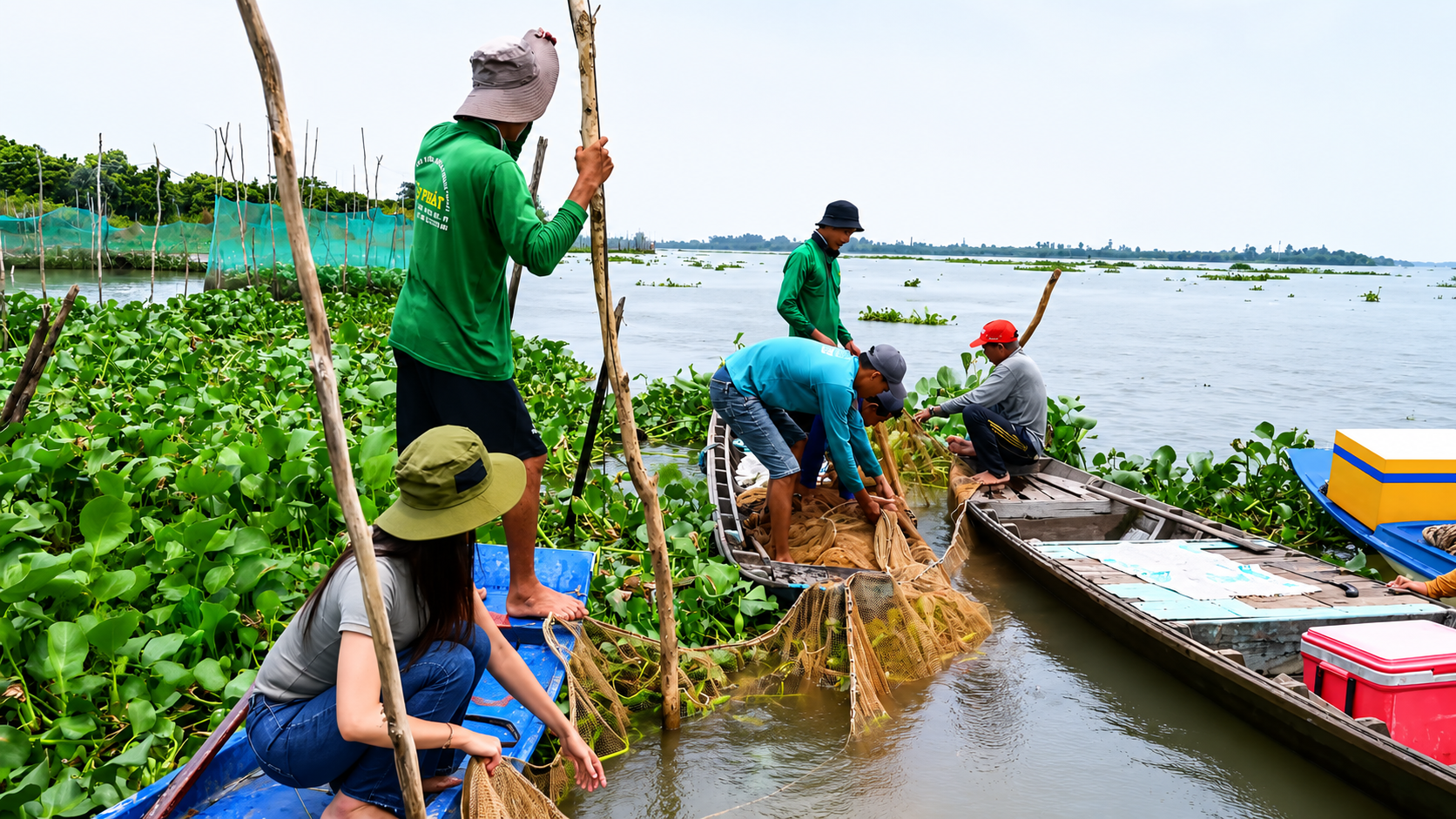 |
Today, fish shelter harvesting has become an exciting experiential tourism activity. When visiting Dong Thap, travelers can:
Some local specialties you should try after harvesting the fish shelters include:
These authentic experiences offer visitors a genuine connection with local life—something modern tourism can rarely replicate.
If you’d like to combine fish shelter harvesting with sightseeing, consider the following itinerary:
This itinerary allows visitors to immerse themselves in local culture while experiencing the authentic daily life of the Mekong Delta.
In today’s rapidly changing world, many traditional occupations are gradually disappearing. However, fish shelter harvesting still holds great potential for sustainable development, especially when combined with community-based tourism.
Incorporating this traditional practice into experiential tours not only helps preserve local cultural heritage but also creates additional income for local communities. At the same time, it serves as an effective way to promote Dong Thap—a peaceful, authentic destination with a unique charm.
Trong hành trình khám phá Đồng Tháp, có những món ăn không chỉ được nhớ bởi hương vị mà còn...
During a journey to explore Dong Thap, alongside destinations associated with river landscapes and the lifestyle of the Mekong Delta,...
If you are looking for a journey that combines dental care with the beauty of the Mekong Delta, Gao Giong...
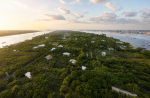
Nestled in the gentle waters of the Tien River, Con Thoi Son embodies the distinctive charm of the Southern Vietnamese...