





Nem Lai Vung – Câu chuyện về món quà nhỏ làm nên tên tuổi một vùng đất
Trong hành trình khám phá Đồng Tháp, có những món ăn không chỉ được nhớ bởi hương vị mà còn...
 Published: 10/09/2026
During a journey to explore Dong Thap, alongside destinations associated with river landscapes and the lifestyle of the Mekong Delta, visitors can spend time discovering places of historical and cultural significance. Nguyen Sinh Sac Memorial Site in Cao Lanh is one such destination.
This is the resting place of Deputy Doctorate Nguyen Sinh Sac, the father of President Ho Chi Minh. The memorial site was built and expanded through several stages and currently includes various facilities such as the tomb area, temple, exhibition house, a model of President Ho Chi Minh’s stilt house, a lotus pond, and a space recreating part of the former Hoa An village.
The memorial site is located at 137 Pham Huu Lau Street, Cao Lanh Ward, Dong Thap Province, approximately 1.5 km from central Cao Lanh, according to information from the Dong Thap Museum. This location is relatively convenient to include in an itinerary exploring Cao Lanh City. According to the Dong Thap Tourism Portal, the memorial site currently offers free admission and is open from 7:00 AM to 6:00 PM.
Construction of Nguyen Sinh Sac Memorial Site began on August 22, 1975, and the site was inaugurated on February 13, 1977. On April 9, 1992, the site was recognized by the Ministry of Culture and Information as a national-level historical and cultural relic.
Deputy Doctorate Nguyen Sinh Sac was born in 1862 in Kim Lien Village, Nam Dan District, Nghe An Province. He passed the provincial-level Confucian examination in 1894 and obtained the Pho Bang degree in 1901. After serving as an official, he left government service and spent time living in Hoa An Village, Cao Lanh. There, he taught, practiced traditional medicine, and interacted with local residents. He passed away in 1929 and was buried in Cao Lanh.
The construction of the memorial site in Cao Lanh aimed to preserve his resting place while creating a space to introduce his life, activities, and historical traces associated with Deputy Doctorate Nguyen Sinh Sac in the Hoa An area.
The memorial site covers an area of approximately 9 hectares and is organized into various functional spaces. The facilities were developed through several stages of preservation, expansion, and restoration.
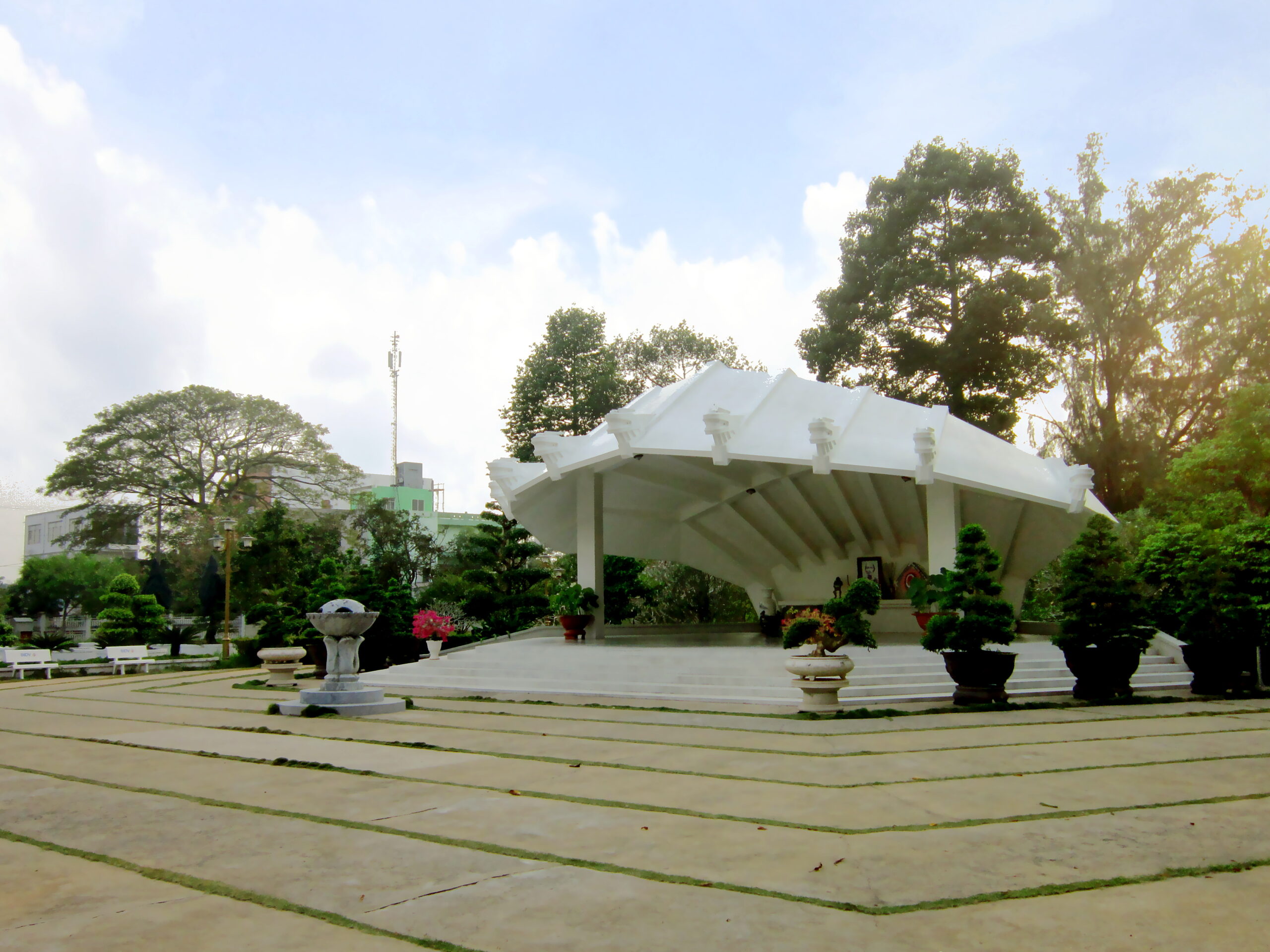
The tomb area is the central space of the memorial complex. The tomb is placed beneath a domed structure with a design inspired by images of lotus flowers and hands, with dragon motifs above.
According to materials from the Dong Thap Museum, the architectural design of the tomb dome symbolizes the protection provided by the people of Dong Thap and the Mekong Delta region for the resting place of Deputy Doctorate Nguyen Sinh Sac.
The surrounding area features courtyards, a water pond, and greenery, creating a relatively open and quiet space.
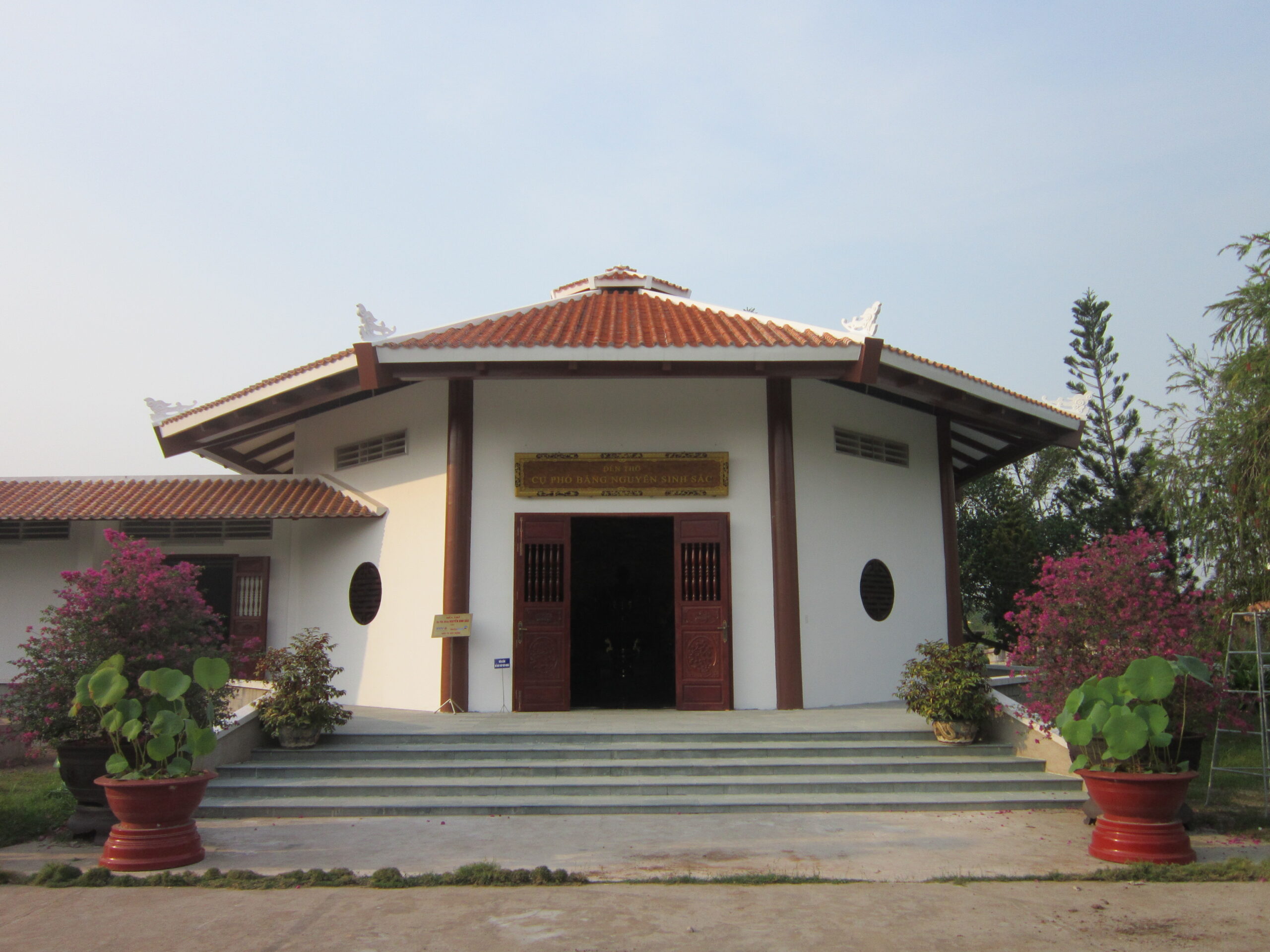
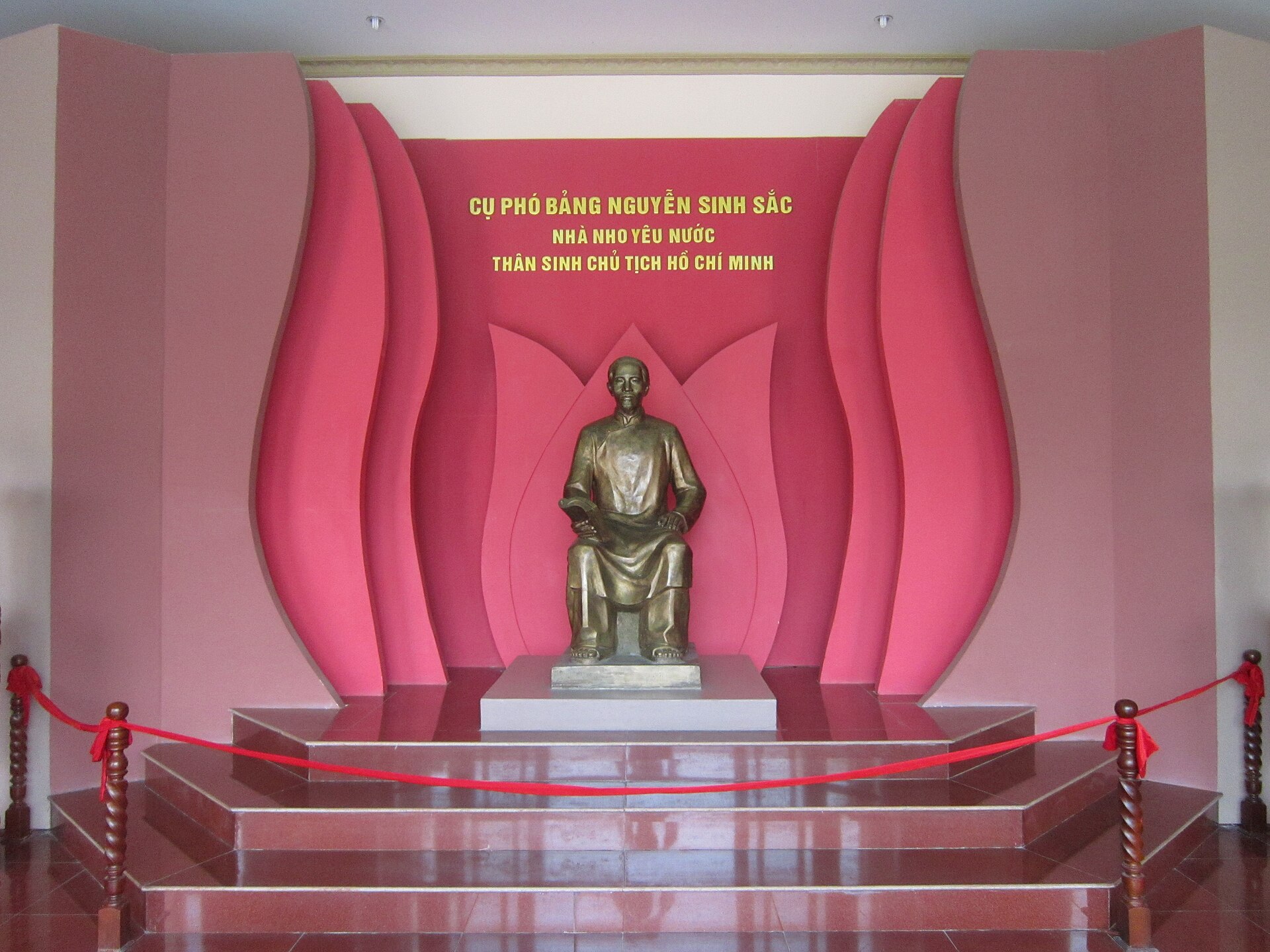
The temple is one of the important structures within the memorial site. It was inaugurated in 2012 on the occasion of the 83rd death anniversary of Deputy Doctorate Nguyen Sinh Sac.
The structure was built to provide a space for remembrance and to introduce information related to his life, character, and activities.
 |
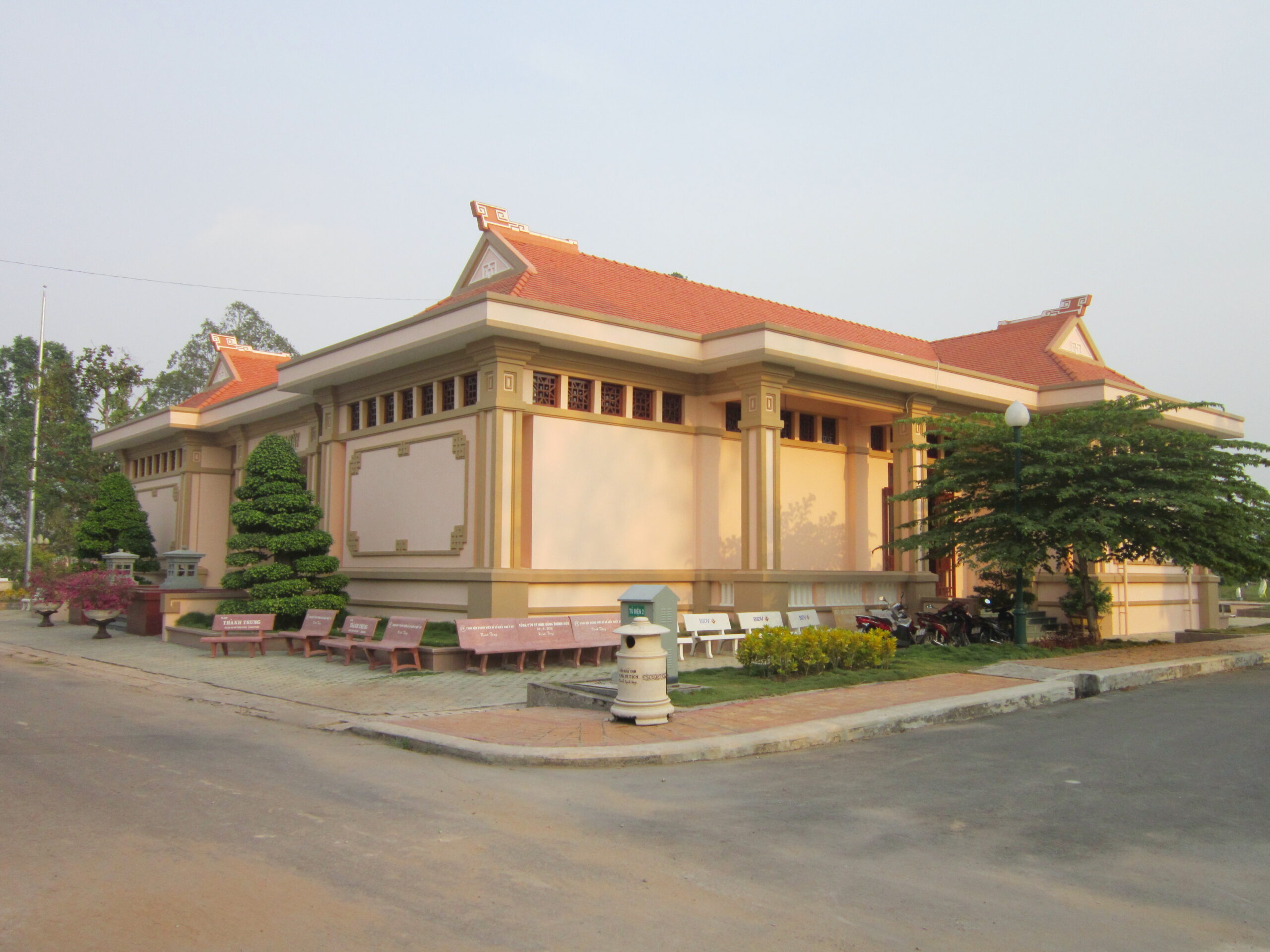 |
The exhibition house provides materials about the life and activities of Deputy Doctorate Nguyen Sinh Sac. This is an area suitable for visitors who want to learn more about the historical figure before or after visiting the tomb.
The exhibition space connects information about his hometown, education, period of service as an official, and the years he spent living in the Cao Lanh area.
 |
|
 |
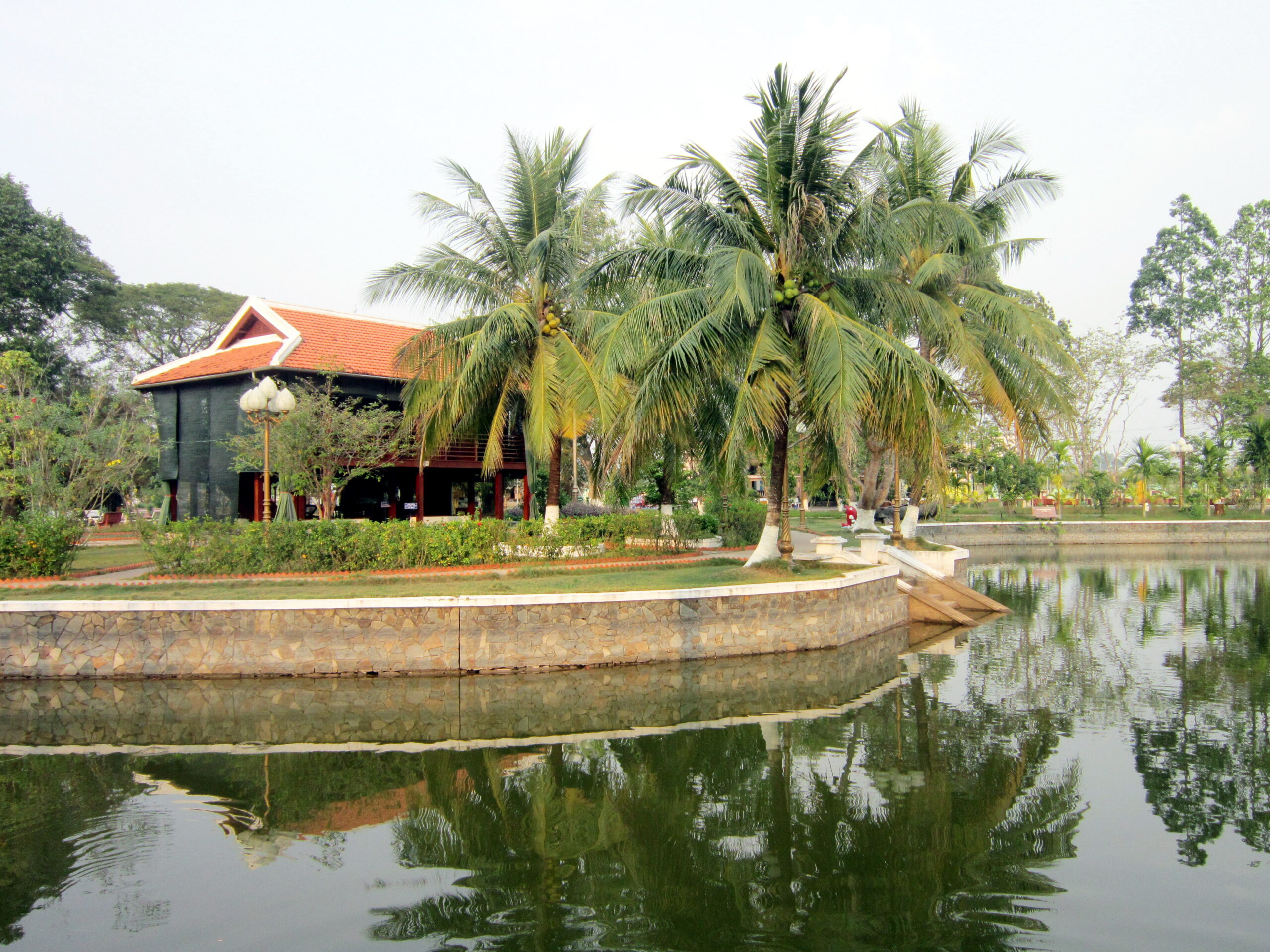 |
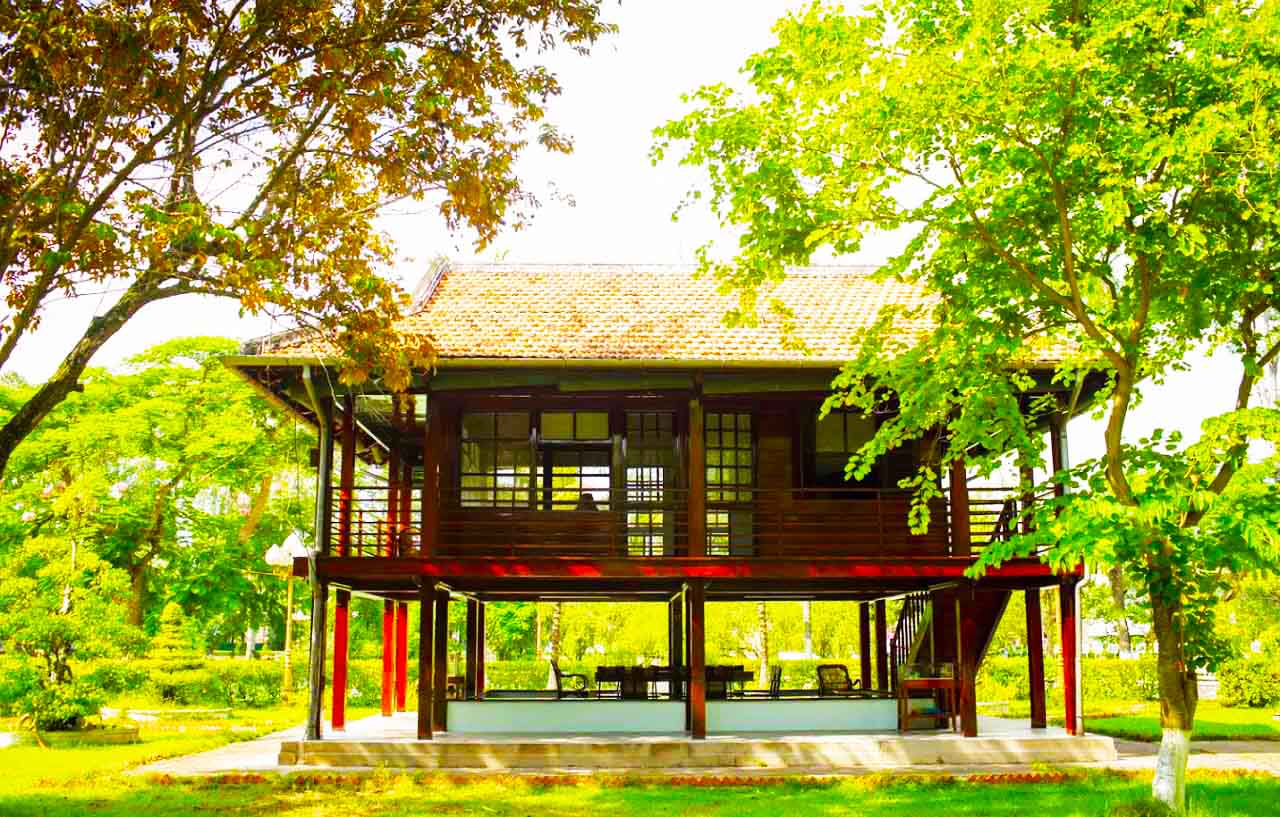
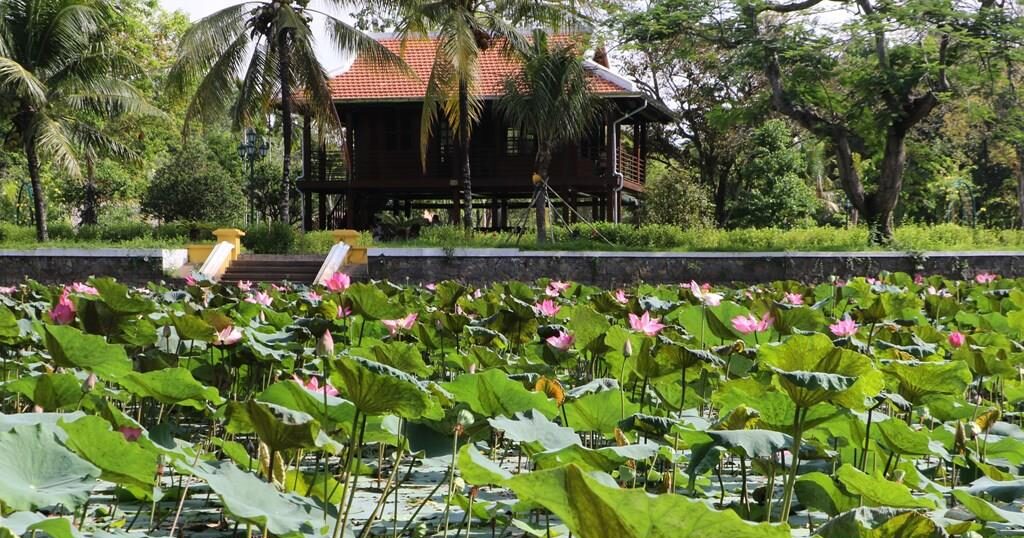
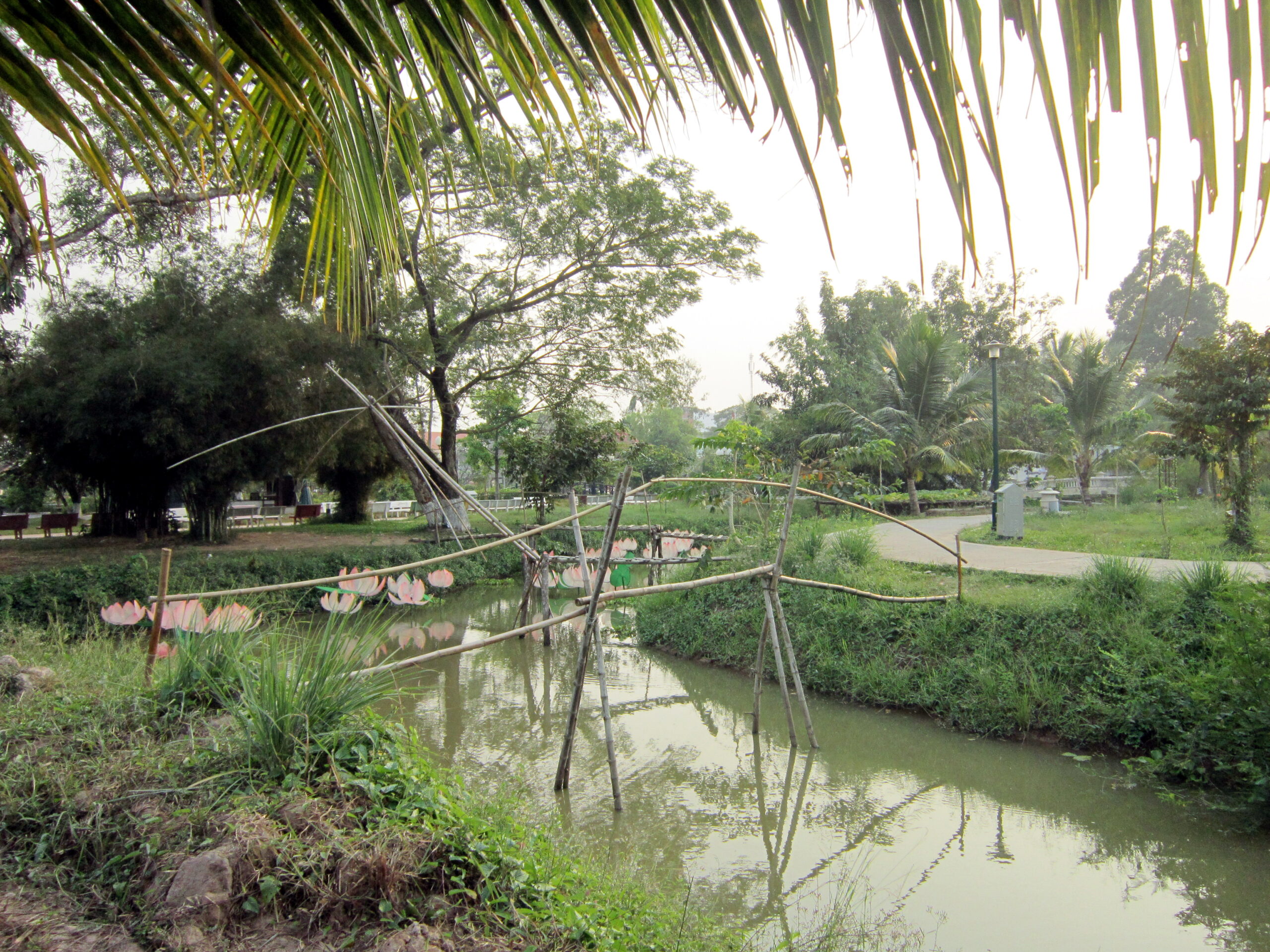
Part of the memorial site features a 1:1 model of President Ho Chi Minh’s stilt house, together with a lotus pond.
Construction began on May 19, 1990, commemorating the 100th anniversary of President Ho Chi Minh’s birth. The model was built based on the architecture of the stilt house where President Ho Chi Minh once lived and worked in Hanoi.
The presence of the stilt house, lotus pond, and green spaces adds another area for visitors to explore within the overall memorial site.
 |
 |
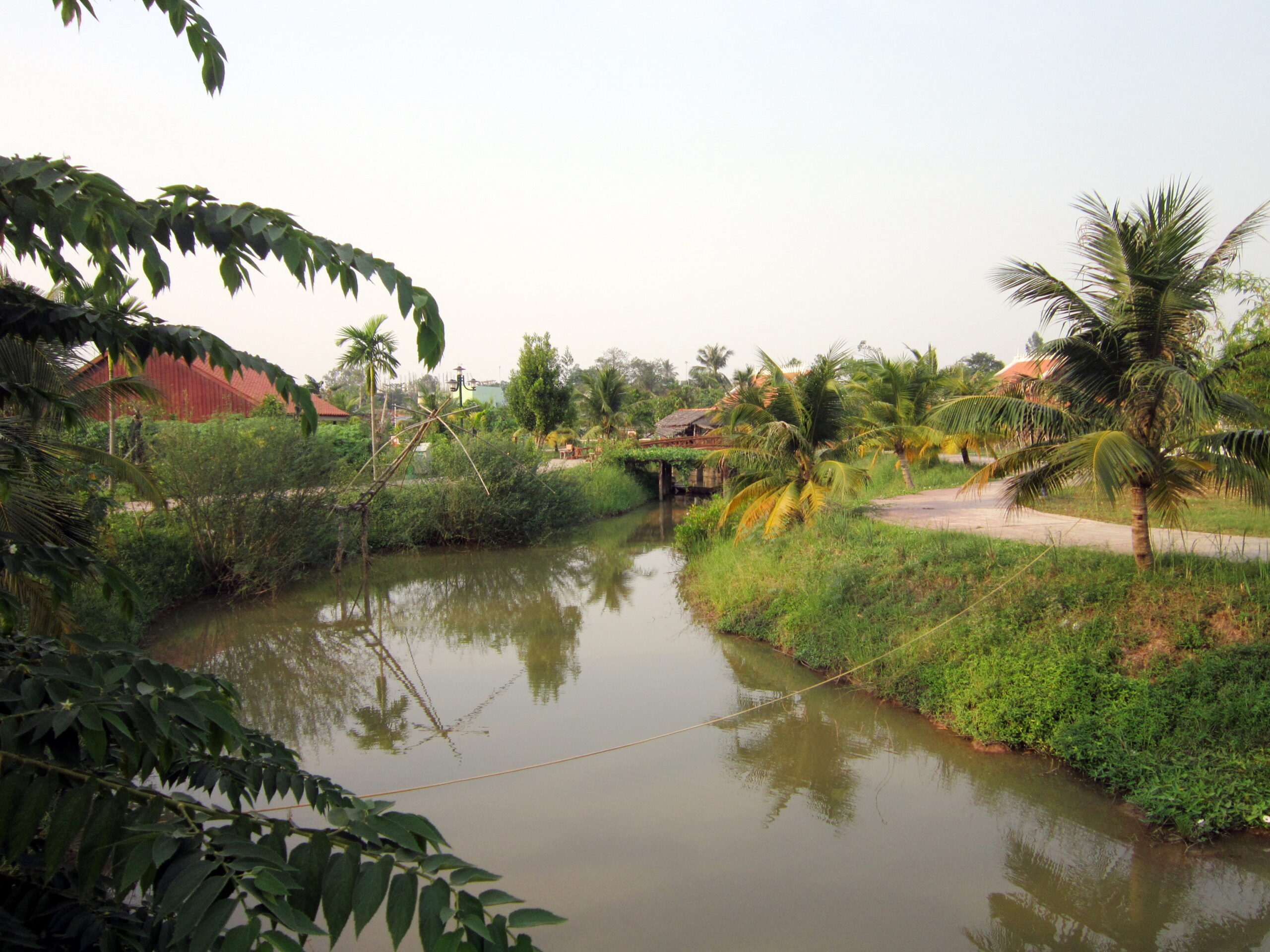
Another notable area is the recreation of part of the former Hoa An village, where Nguyen Sinh Sac lived from 1927 to 1929.
This space covers approximately 22,000 m² and includes houses associated with Deputy Doctorate Nguyen Sinh Sac, several traditional Southern Vietnamese house styles, as well as models depicting the daily life and traditional crafts of local residents.
Through the organization of the space, visitors can gain a clearer understanding of the living environment of people in Southern Vietnam in the past, as well as the local context associated with the final years of Deputy Doctorate Nguyen Sinh Sac’s life.
Nguyen Sinh Sac Memorial Site is not only a place commemorating a historical figure but also a site preserving various materials and recreated spaces related to the cultural life of Cao Lanh in particular and Dong Thap in general.
The preservation of the tomb, temple, exhibition house, and Hoa An village space helps connect the story of Nguyen Sinh Sac with the history of the formation and development of the local area.
Today, the memorial site is used for sightseeing, learning about history, visits to places associated with national heritage, and traditional education activities. It is also one of the historical destinations introduced within the tourism system of Dong Thap Province.
With its location near central Cao Lanh, visitors can spend approximately half a day visiting the memorial site and exploring its main facilities.
A suggested itinerary can begin with the tomb and temple, followed by the exhibition house, the model of President Ho Chi Minh’s stilt house, the lotus pond, and the recreated space of the former Hoa An village.
When visiting the tomb and temple area, visitors should maintain a quiet atmosphere, wear appropriate clothing, and follow the regulations of the memorial site. If they wish to learn more about the history, they can spend additional time reading materials in the exhibition areas rather than only viewing the surrounding landscape.
For visitors combining travel and dental care in Dong Thap, historical destinations such as Nguyen Sinh Sac Memorial Site can be included in the itinerary during waiting periods between appointments or after completing appropriate dental services.
Cao Lanh is located in an area with many attractions, so a journey can combine time for dental care with exploring the local culture and history. This approach allows the trip to include more than just the treatment schedule and provides additional time to learn about Dong Thap.
Depending on the length of their stay, visitors can choose attractions by area and arrange their itinerary according to their appointment schedule at the dental facility.
Nguyen Sinh Sac Memorial Site is a destination for visitors interested in history, culture, and figures associated with Dong Thap. From the tomb, temple, and exhibition house to the model of President Ho Chi Minh’s stilt house and the former Hoa An village space, each area contributes a different perspective on the memorial complex.
During a journey to explore Cao Lanh, spending time visiting Nguyen Sinh Sac Memorial Site can provide an additional perspective on local history and the cultural heritage associated with this area.
Trong hành trình khám phá Đồng Tháp, có những món ăn không chỉ được nhớ bởi hương vị mà còn...

If you are looking for a journey that combines dental care with the beauty of the Mekong Delta, Gao Giong...
Nestled in the gentle waters of the Tien River, Con Thoi Son embodies the distinctive charm of the Southern Vietnamese...

My Phuoc Thanh Tourist Area – An Authentic Mekong Delta Ecotourism Destination My Phuoc Thanh Tourist Area is one of...