




Nem Lai Vung – Câu chuyện về món quà nhỏ làm nên tên tuổi một vùng đất
Trong hành trình khám phá Đồng Tháp, có những món ăn không chỉ được nhớ bởi hương vị mà còn...
 Published: 13/06/2026
Amid the peaceful rivers and vast rice fields of the Mekong Delta, Don Ca Tai Tu has long been an essential part of the spiritual and cultural life of local communities. More than simply a form of entertainment, this traditional musical art reflects the emotions, values, and cultural identity of Southern Vietnam.
Although modern life has changed significantly over the years, the melodies of Don Ca Tai Tu continue to be preserved as one of the region’s most treasured cultural traditions.
Don Ca Tai Tu originated in the late nineteenth century, evolving from the royal court music of Hue while incorporating the folk culture of Southern Vietnam.
Over generations, this musical tradition became deeply rooted in local communities and began appearing at festivals, weddings, family gatherings, and various cultural events.
Unlike professional stage performances, Don Ca Tai Tu emphasizes interaction, appreciation, and shared enjoyment, creating a warm and intimate atmosphere for both performers and audiences.
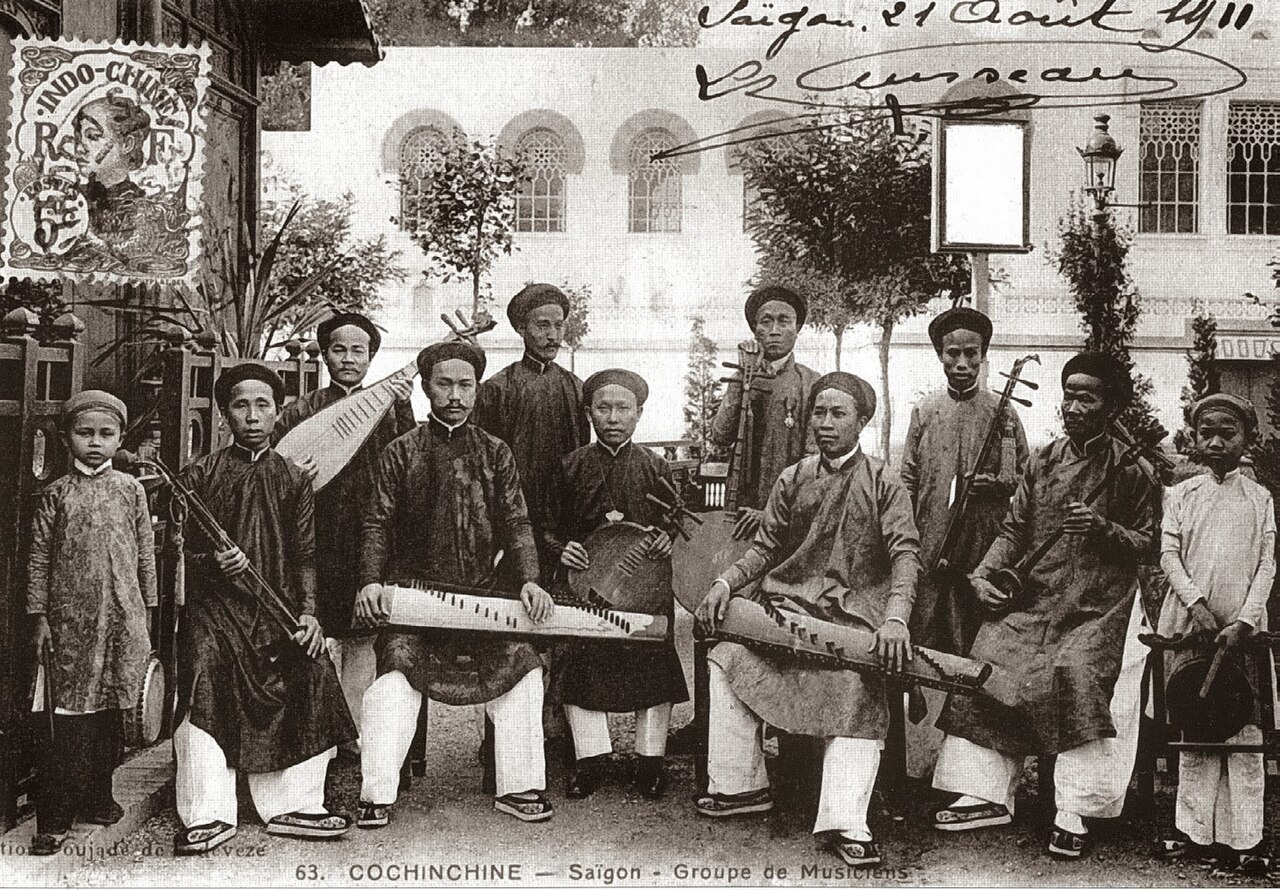
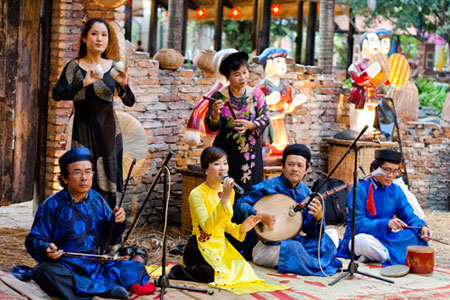
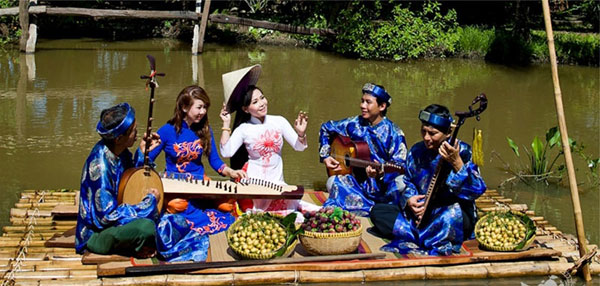
A traditional Don Ca Tai Tu performance typically features a combination of classic Vietnamese instruments such as the moon lute, sixteen-string zither, two-string fiddle, monochord, and the distinctive Vietnamese guitar with scalloped frets.
Its musical compositions are known for their gentle, expressive melodies that convey love for the homeland, family affection, and stories from everyday life.
Without the need for a grand stage or sophisticated sound systems, these heartfelt performances have the power to touch audiences through their sincerity and emotional depth.
 |
 |
What makes Don Ca Tai Tu truly special is its close connection to everyday community life.
People often gather to sing and play music during celebrations, traditional festivals, family reunions, or simply while spending a peaceful evening together. This strong sense of community has allowed the art form to flourish across generations.
More than a performing art, Don Ca Tai Tu serves as a meaningful way for people to express their emotions and strengthen their social bonds.
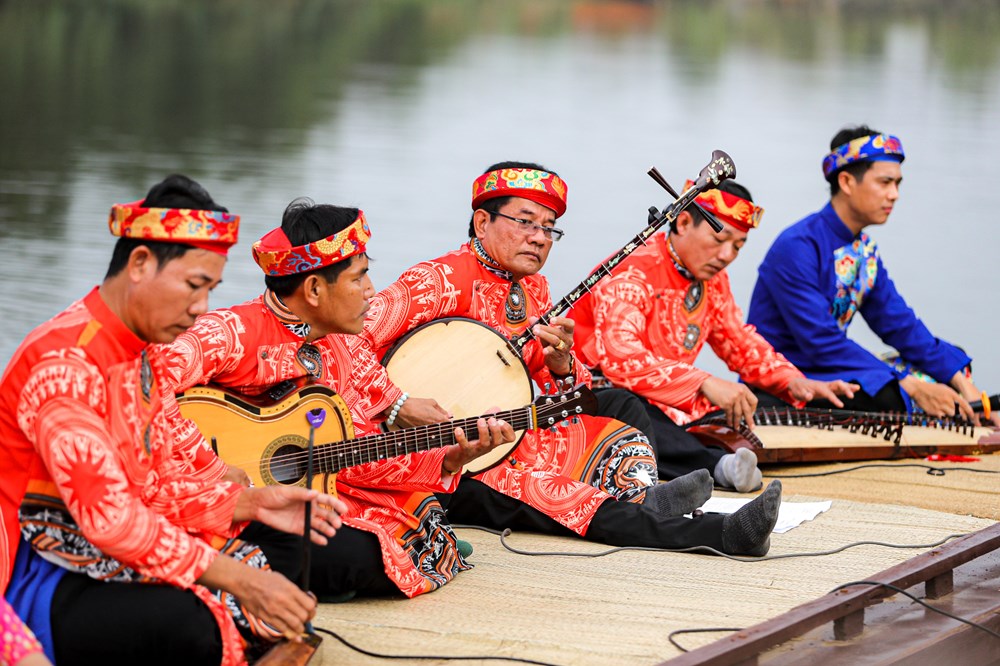
In 2013, Don Ca Tai Tu of Southern Vietnam was officially inscribed by UNESCO as a Representative Intangible Cultural Heritage of Humanity.
This recognition not only highlights its outstanding artistic value but also helps introduce the rich cultural heritage of Southern Vietnam to audiences around the world.
Today, many tourist destinations throughout the Mekong Delta include live Don Ca Tai Tu performances as part of their cultural experiences.
Listening to these timeless melodies while sitting on a small boat drifting along the river or relaxing in a peaceful orchard offers visitors a deeper appreciation of Southern Vietnam’s unique cultural identity.
Don Ca Tai Tu is neither flashy nor extravagant. Instead, its simplicity, authenticity, and emotional depth have ensured its enduring place as one of the most distinctive traditional art forms of the Mekong Delta.
Trong hành trình khám phá Đồng Tháp, có những món ăn không chỉ được nhớ bởi hương vị mà còn...
During a journey to explore Dong Thap, alongside destinations associated with river landscapes and the lifestyle of the Mekong Delta,...
If you are looking for a journey that combines dental care with the beauty of the Mekong Delta, Gao Giong...

Nestled in the gentle waters of the Tien River, Con Thoi Son embodies the distinctive charm of the Southern Vietnamese...