





Nem Lai Vung – Câu chuyện về món quà nhỏ làm nên tên tuổi một vùng đất
Trong hành trình khám phá Đồng Tháp, có những món ăn không chỉ được nhớ bởi hương vị mà còn...
 Published: 13/06/2026
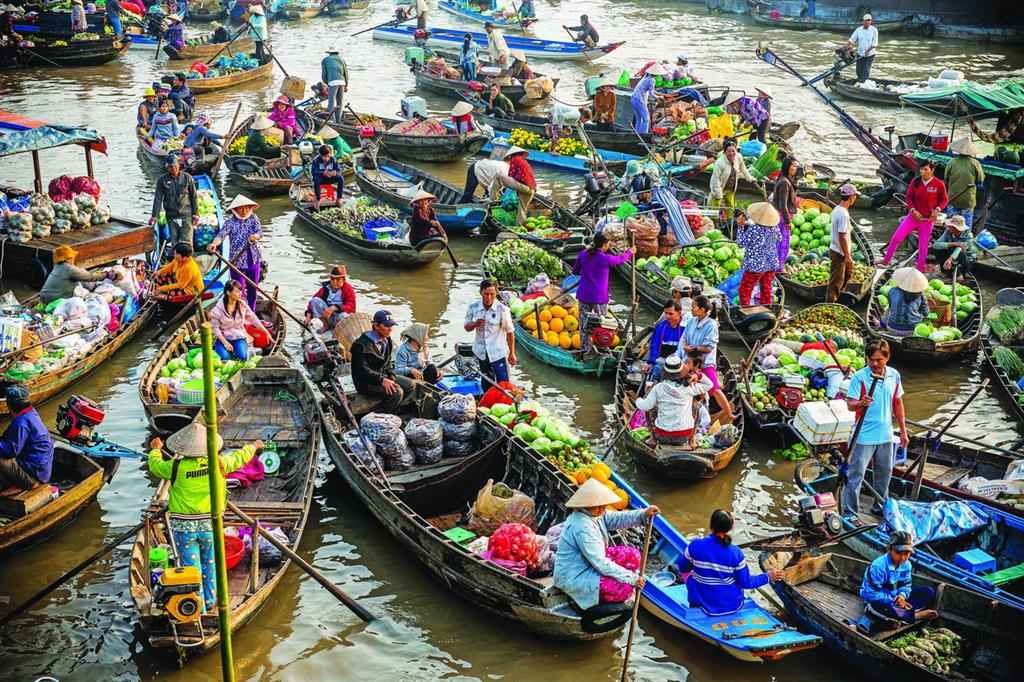
When people think of the Mekong Delta, they often picture peaceful rivers, lush fruit orchards, and a way of life centered around boats and waterways. In this region, shaped by an extensive network of rivers and canals, floating markets emerged hundreds of years ago and have become one of the most distinctive cultural features of Southern Vietnam.
More than simply places for trading goods, floating markets reflect how local people adapted to their natural environment, built their communities, and developed a unique river-based lifestyle. Even today, the sight of boats loaded with fresh fruit traveling along the waterways remains one of the most iconic images of the Mekong Delta.
Before modern road transportation became widespread, rivers served as the primary transportation routes throughout the Mekong Delta.
People traveled by boat, transported agricultural products by boat, and traded goods from boat to boat. As a result, floating markets gradually developed at river junctions, densely populated areas, and important waterways.
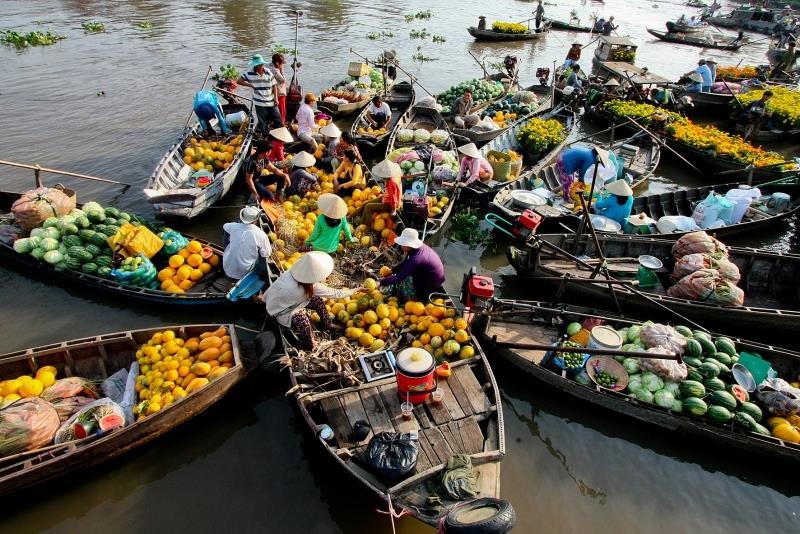
Over time, these markets expanded into major commercial hubs for the surrounding regions. Agricultural products harvested from orchards were collected onto boats, sold to traders, and then distributed to many other destinations.
In many ways, floating markets are a direct result of the region’s natural landscape and the traditional lifestyle of its river communities.
 |
 |
Unlike traditional land markets that become busiest during the daytime, floating markets come alive before sunrise.
From around four to five o’clock in the morning, hundreds of boats gather along the river. The sound of boat engines, merchants calling to one another, and lights reflecting on the water create an atmosphere unique to the Mekong Delta.
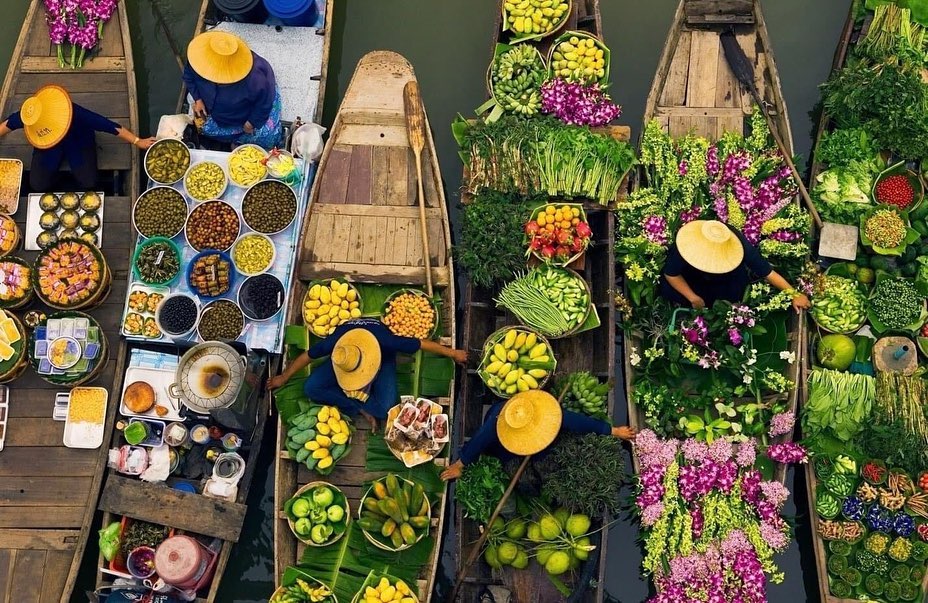
As the sun rises, trading reaches its busiest period. Boats carrying fruits, vegetables, and other agricultural products constantly arrive and depart. Some specialize in wholesale trading, while smaller boats sell breakfast, coffee, and daily necessities to merchants and local residents.
By mid-morning, most major transactions have been completed, and the market gradually quiets down, returning the river to its peaceful rhythm.
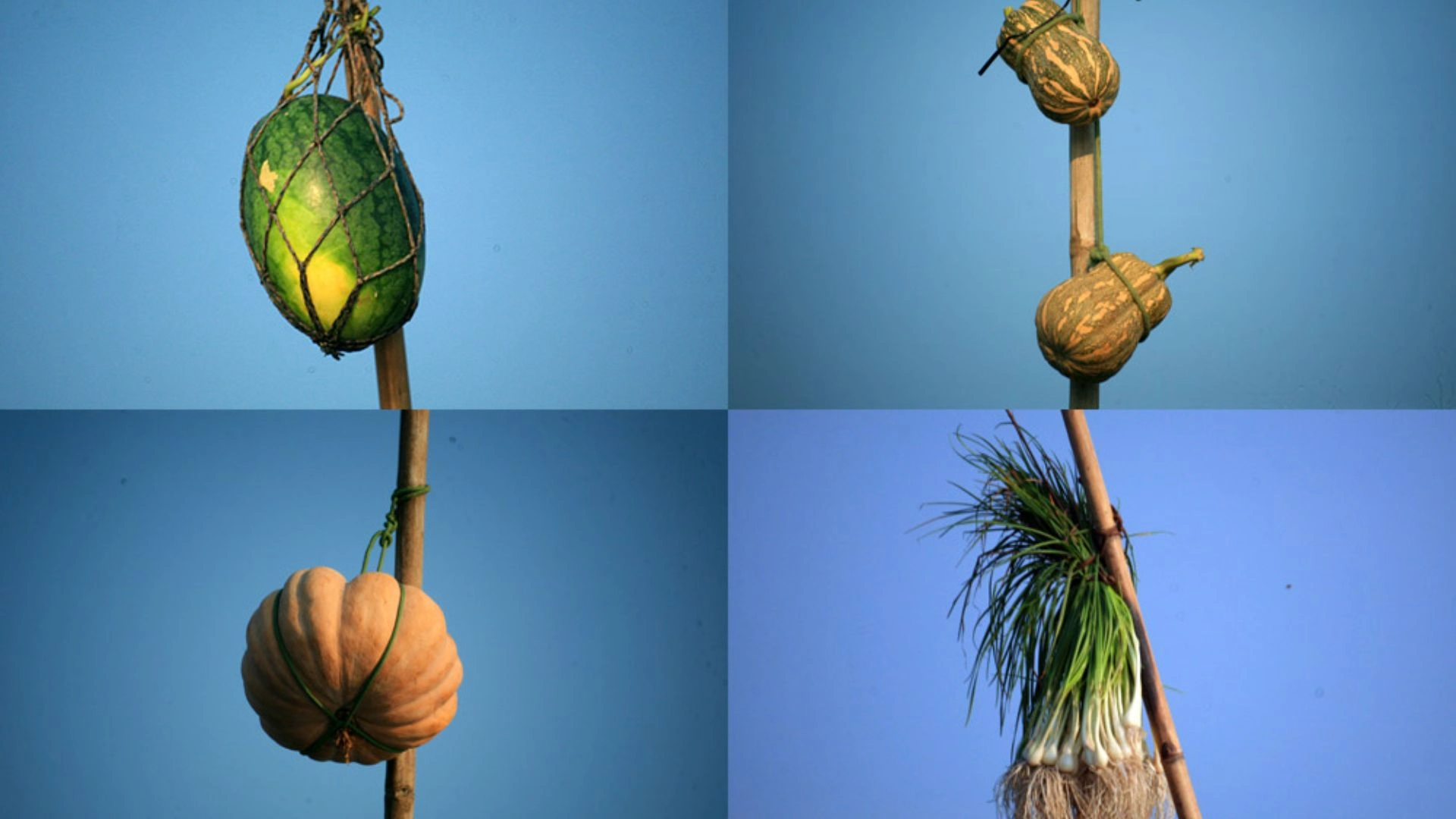
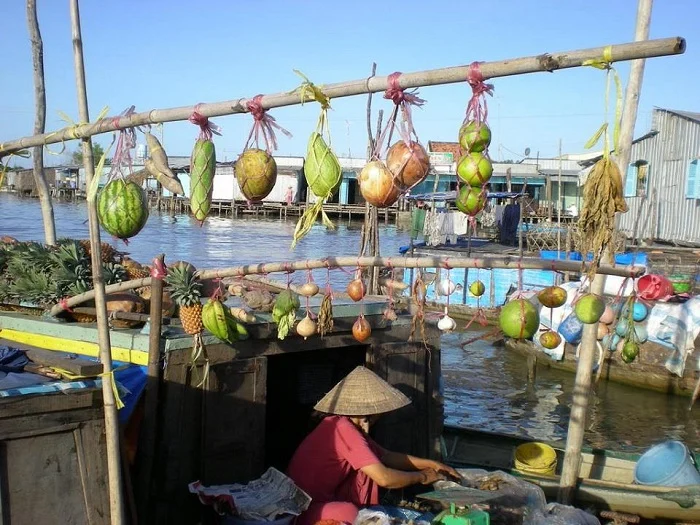
One of the most recognizable features of Mekong Delta floating markets is the tall bamboo pole displayed on each boat, commonly known as the “Cay Beo.”
Merchants hang samples of the products they are selling from the pole so customers can identify them from a distance. A boat selling mangoes displays mangoes, a watermelon boat hangs watermelons, and a sweet potato boat showcases sweet potatoes.
Across the wide open river, this simple yet ingenious method serves as an effective advertising system. Buyers can easily spot the boat offering exactly what they are looking for.
Many visitors consider the Cay Beo one of the most creative traditions of the Mekong Delta, reflecting the resourcefulness and adaptability of people living on the waterways.
 |
 |
Behind the lively atmosphere of every floating market are families who have earned their living on the rivers for generations.
Many spend most of their lives aboard their boats. A single boat often serves not only as a shop but also as a kitchen, a bedroom, and a family home. Their daily lives revolve around changing water levels, trading journeys, and the rhythm of the markets.
For these river merchants, the river is more than a workplace—it is a second home. Their dedication has helped preserve the unique culture of floating markets for generations.
Floating markets are far more than centers of commerce; they also represent the cultural values of Southern Vietnamese communities.
Visitors can easily experience the openness, friendliness, and generosity of local people. Brief conversations between buyers and sellers, boats helping one another during difficulties, and the warm hospitality shown throughout the market all contribute to the distinctive charm of life on the river.
These markets also preserve many traditional customs that have existed for generations, making them an essential part of the cultural identity of the Mekong Delta.
As road transportation has developed, the commercial role of floating markets has gradually changed. However, their cultural and tourism value has become increasingly important.
Today, both domestic and international visitors travel to famous floating markets such as Cai Rang, Cai Be, and Nga Nam to experience river commerce, enjoy local cuisine, and gain insight into the daily lives of the Mekong Delta’s river communities.
For many travelers, sitting aboard a small boat during the busy morning market while enjoying a steaming bowl of noodle soup or a cup of coffee on the river becomes one of the most memorable highlights of their journey.
Today, fewer boats participate in floating markets than in the past. Changes in transportation and trading methods have led many markets to become smaller over time.
Nevertheless, floating markets remain an essential part of the cultural heritage of Southwestern Vietnam. Preserving and promoting these markets helps protect a traditional way of life while introducing the beauty of the Mekong Delta to visitors from around the world.
Even in today’s modern world, the sight of fruit-laden boats drifting along the river, Cay Beo poles swaying in the breeze, and the lively calls of merchants across the water continues to symbolize the enduring spirit of the Mekong Delta. A floating market is not simply a marketplace—it is a living story of settlement, tradition, and the culture of Southern Vietnam.
Trong hành trình khám phá Đồng Tháp, có những món ăn không chỉ được nhớ bởi hương vị mà còn...
During a journey to explore Dong Thap, alongside destinations associated with river landscapes and the lifestyle of the Mekong Delta,...
If you are looking for a journey that combines dental care with the beauty of the Mekong Delta, Gao Giong...
Nestled in the gentle waters of the Tien River, Con Thoi Son embodies the distinctive charm of the Southern Vietnamese...